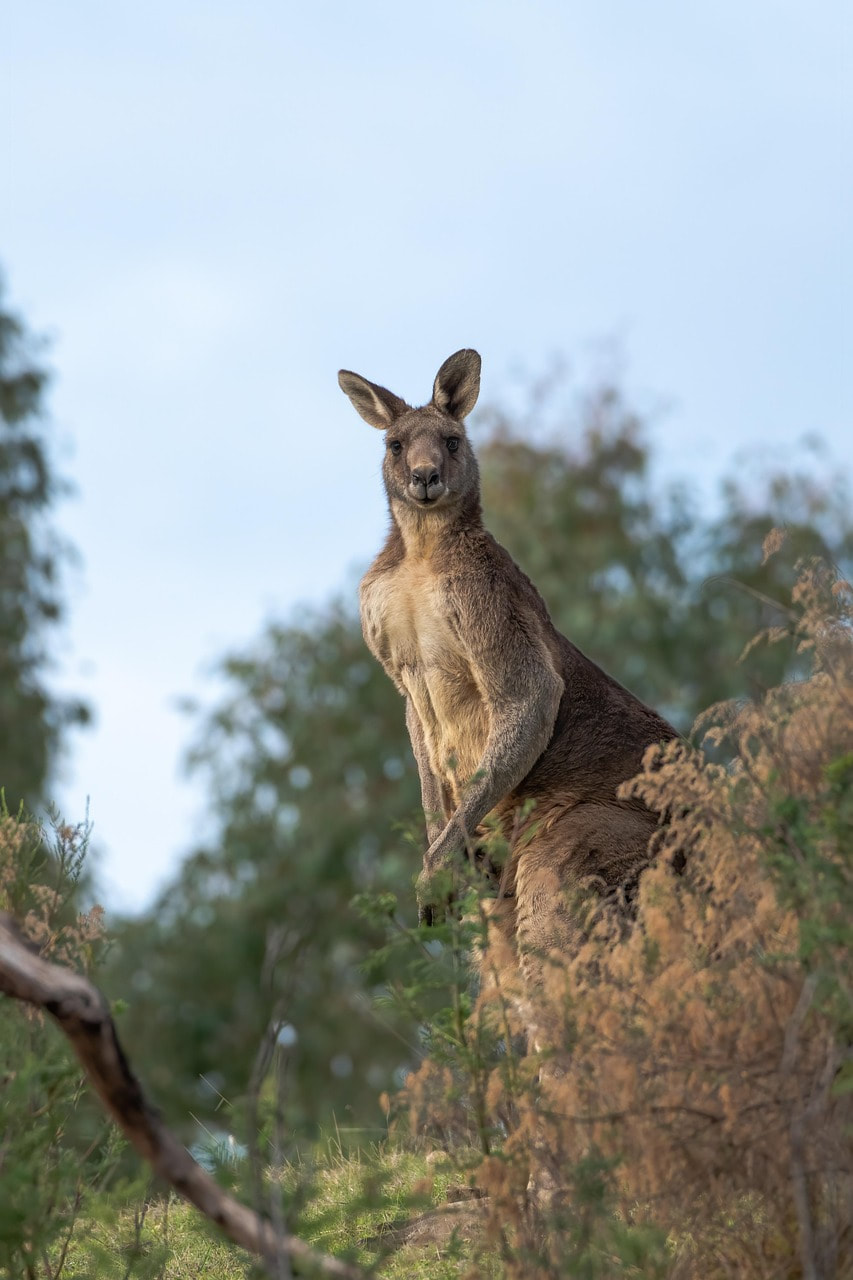
WILD KANGAROO
🦘 Why Kangaroo Leather Stands Out
Exceptional Strength‑to‑Weight Ratio
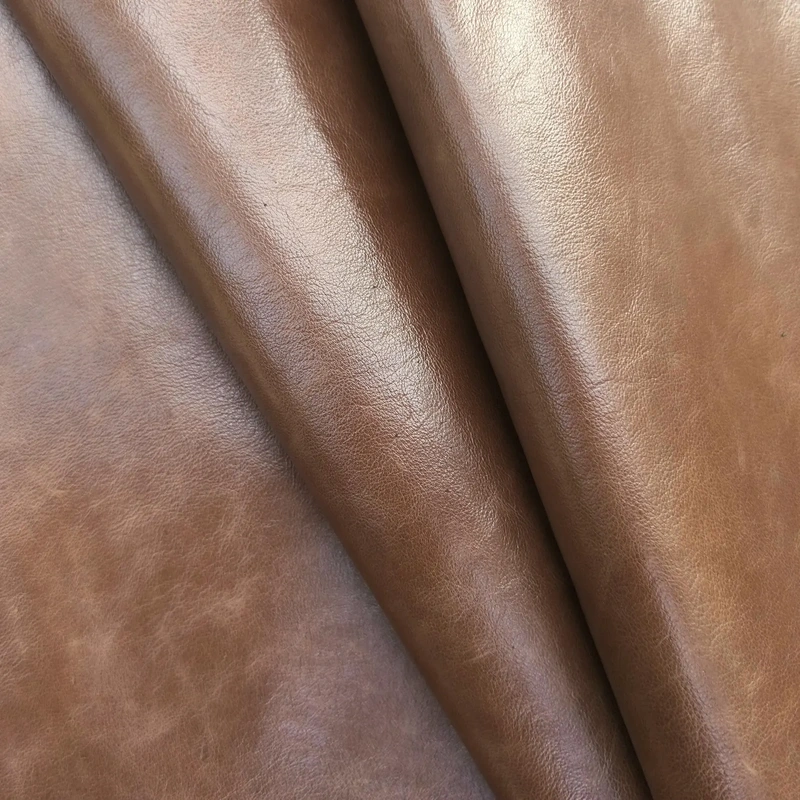
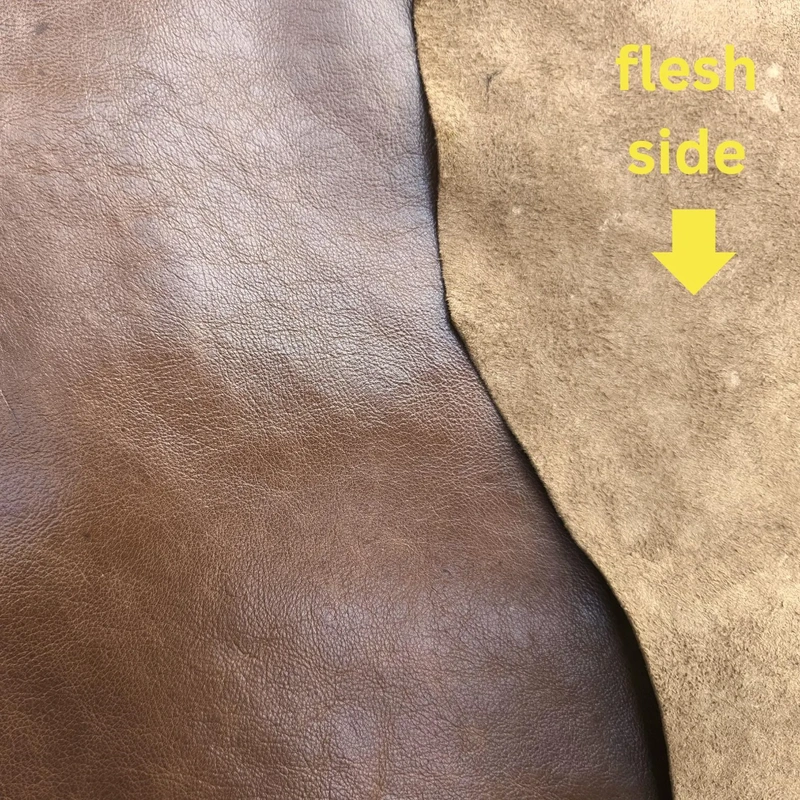
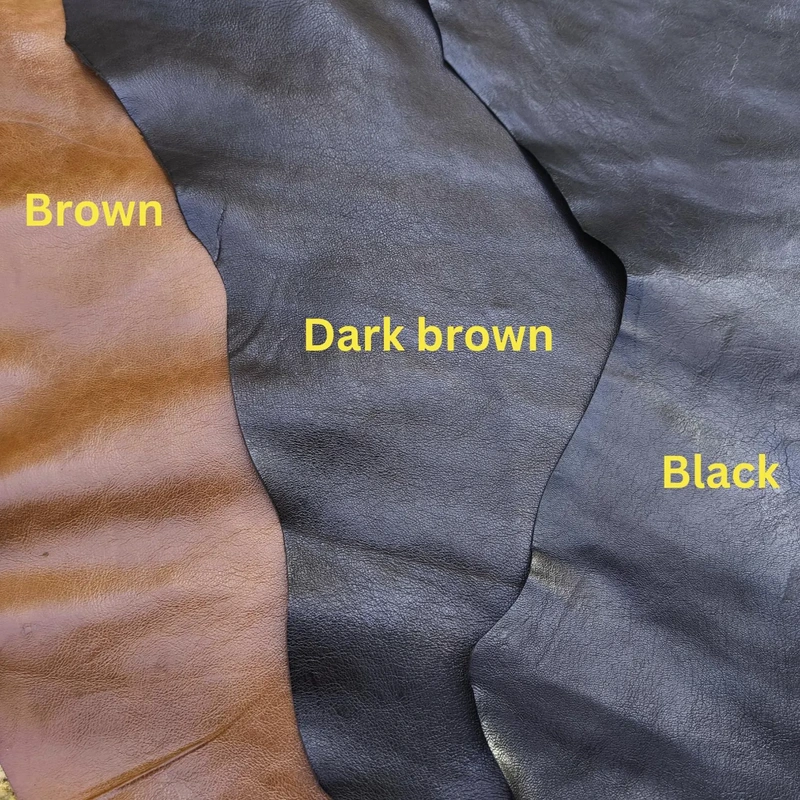
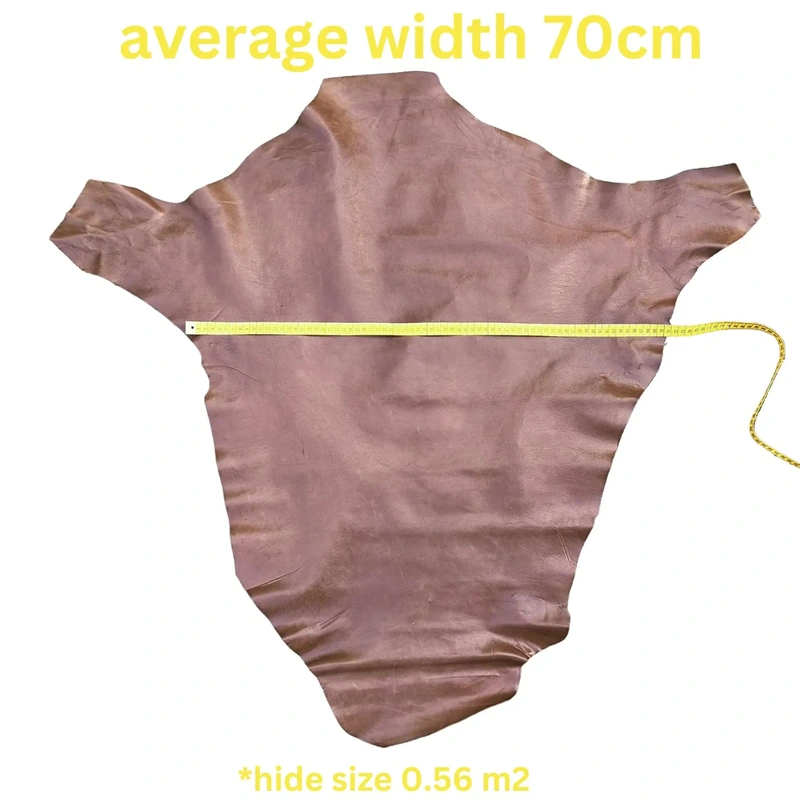
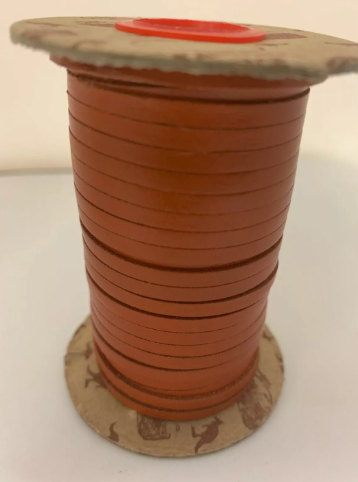
Kangaroo are processed in Pickled, Wet Blue, Crust, finished leather and Hair on Hide (Tanned Fur) for local and export markets
Exceptional Strength‑to‑Weight Ratio
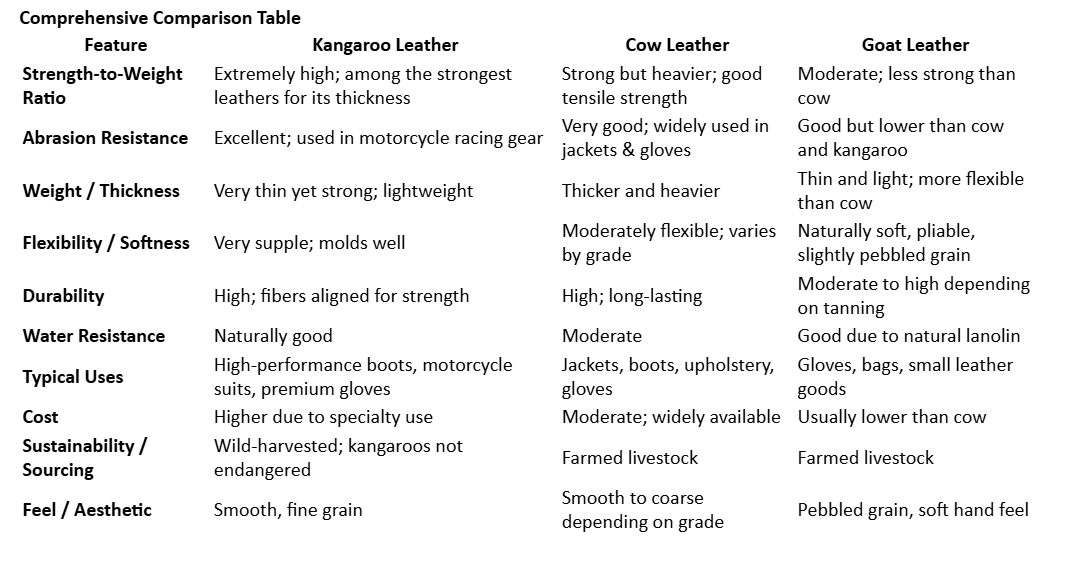
- Kangaroo leather is stronger than cowhide at the same thickness, thanks to its unique fiber structure.
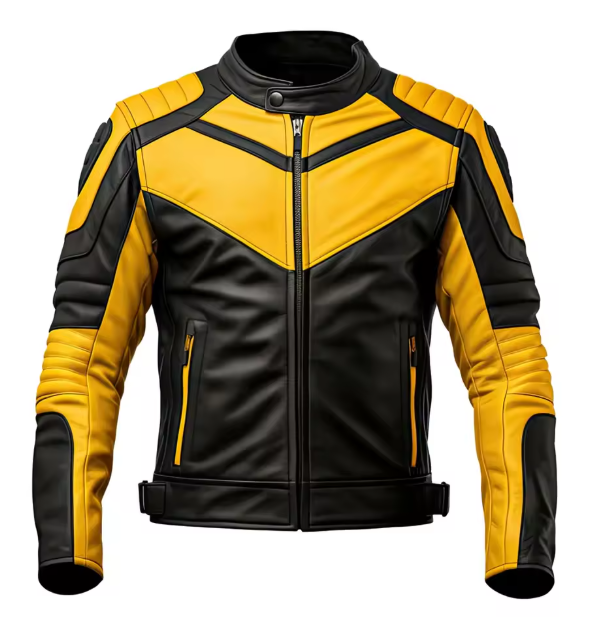
- It can be split very thin while still retaining impressive tensile strength, which is why it’s used in high‑performance gear like motorcycle suits and football boots.
- Because it stays strong even when thin, kangaroo leather is lighter than most other leathers.
- This makes it ideal for minimalist products like slim wallets or performance footwear.
- Its dense, uniform fiber structure makes it one of the most durable natural leathers available.
- It resists tearing and abrasion better than many traditional hides.
- Kangaroo leather has a degree of natural water resistance, making it more resilient in wet conditions compared to many other leathers.
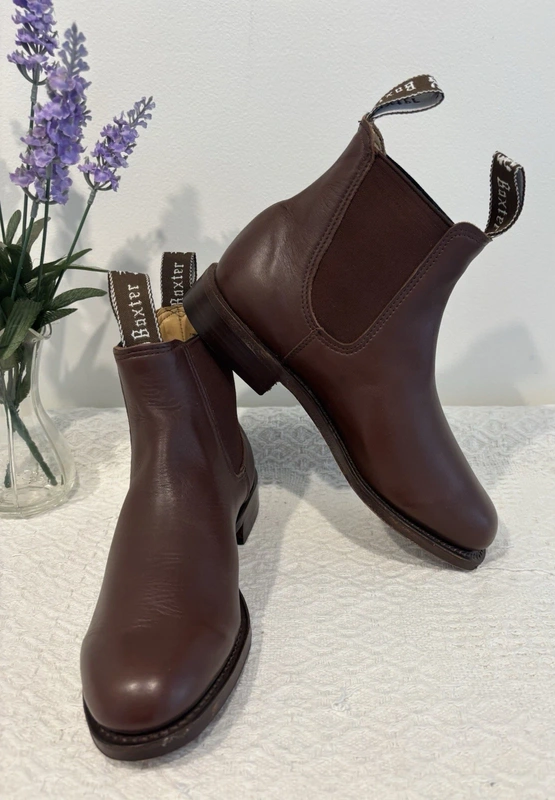
- Despite its strength, it remains soft and pliable, which is why athletes love it for boots and gloves.
- Kangaroos are not farmed; they live wild and are harvested under population‑control programs.
- They are abundant—Australia has more kangaroos than people—so the leather is considered sustainable and humane by many sources.
- Red Kangaroo is superior for leather production.
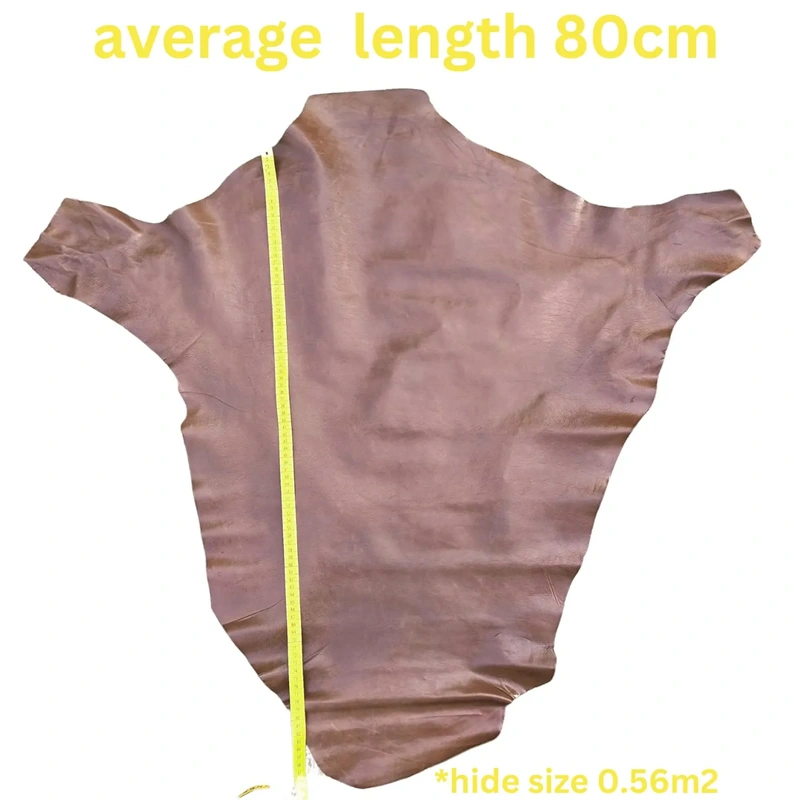
- Wallaby shares the same characteristics as Kangaroo, but with a smaller hide.
Kangaroo are processed in Pickled, Wet Blue, Crust, finished leather and Hair on Hide (Tanned Fur) for local and export markets
|
|
|
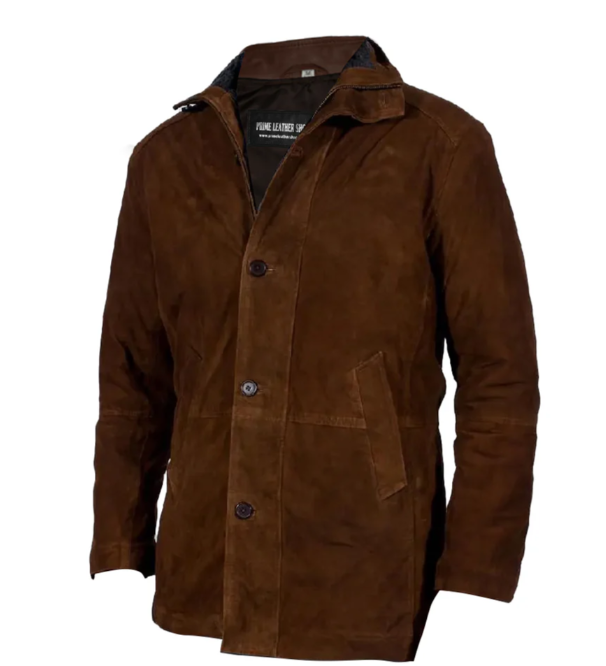
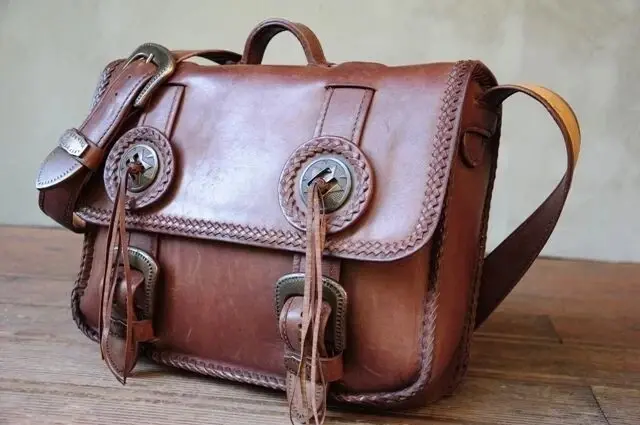
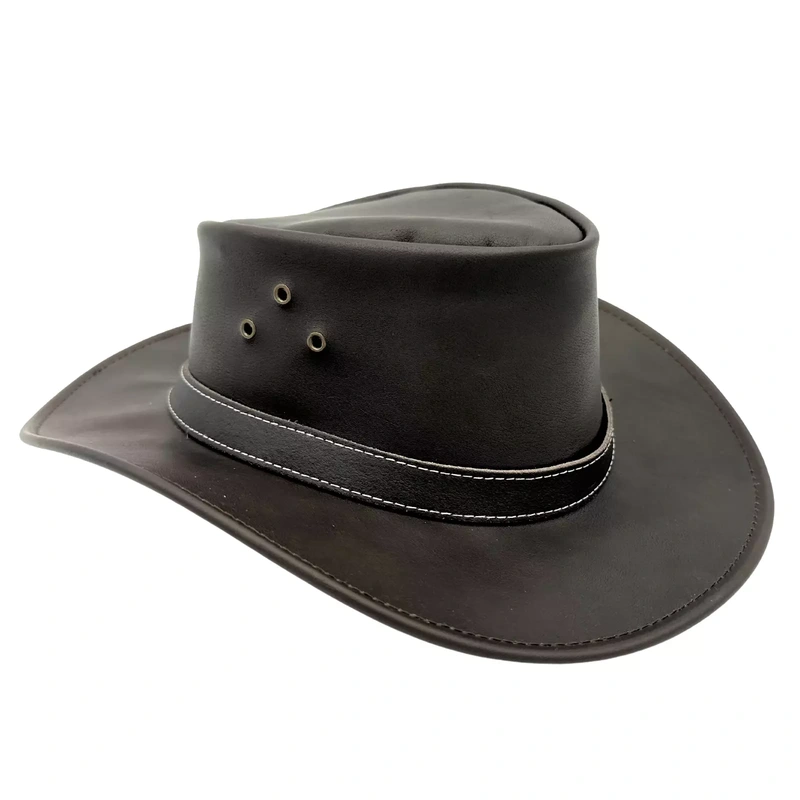
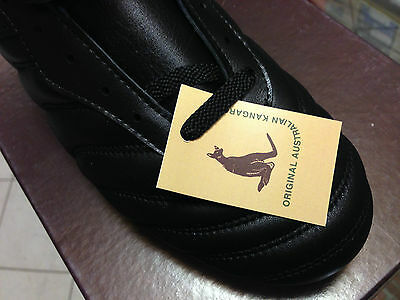
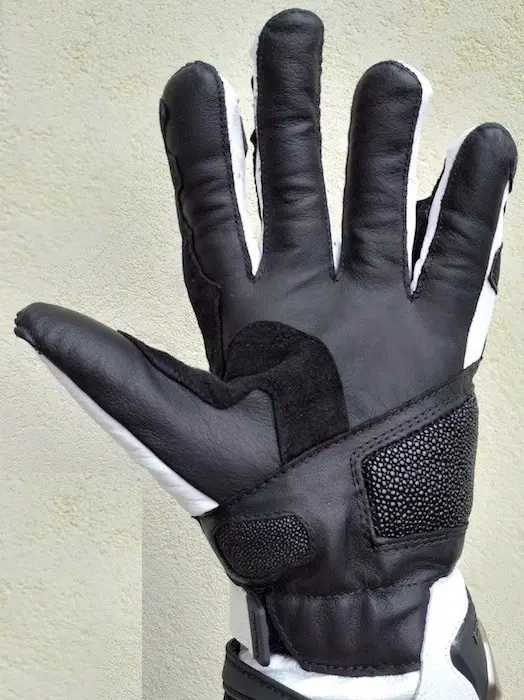
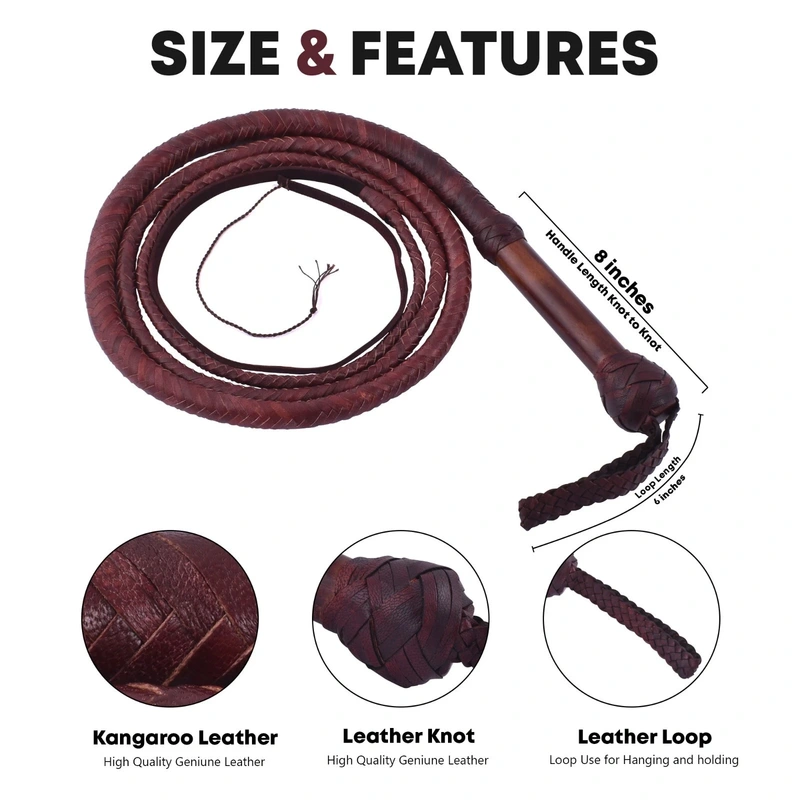
Kangaroo Leather Applications
AUSTRALIAN WILD GOAT LEATHER
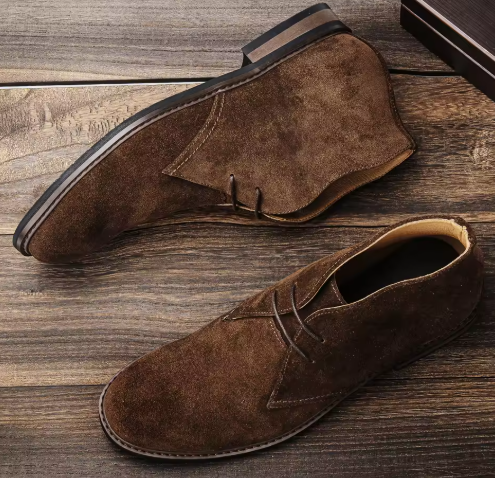
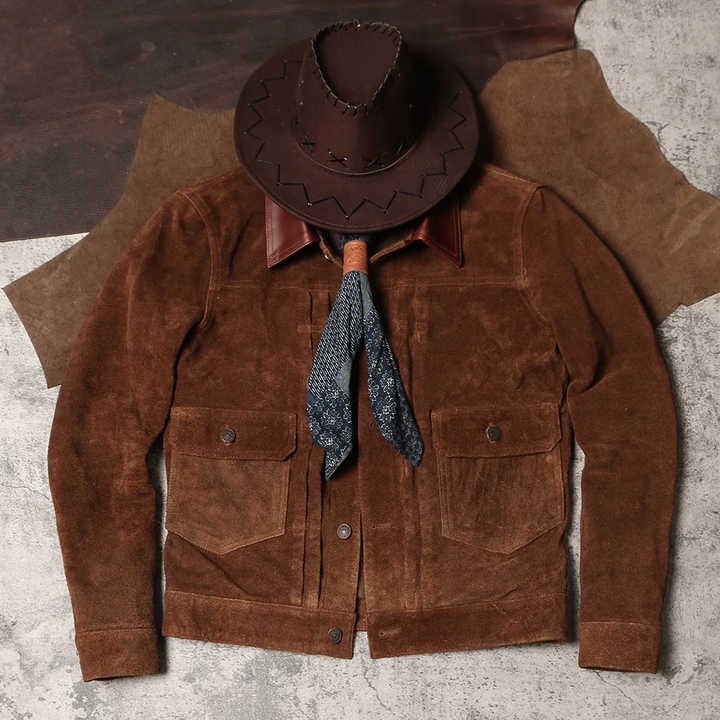
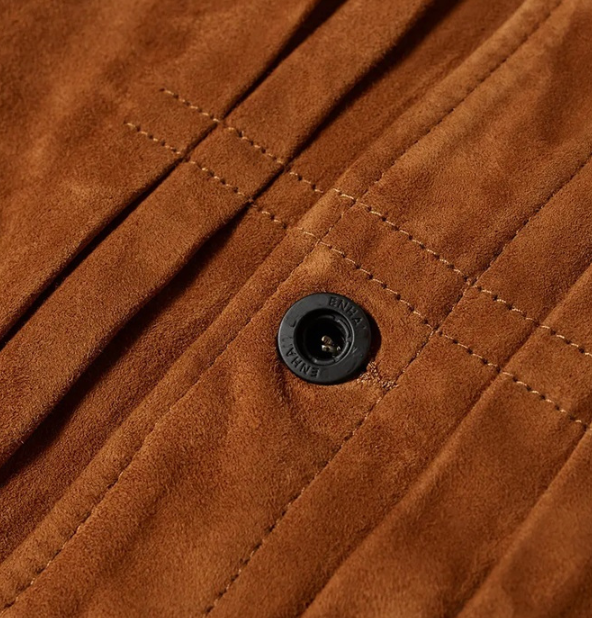
Australian wild goat leather positions itself as a high‑performance, character‑rich material for suede and nubuck, ideal for brands seeking a natural, durable, and ethically sourced alternative to calf, sheep, and cow.
🐐 Australian Wild Goat Leather: Premium Suede & Nubuck
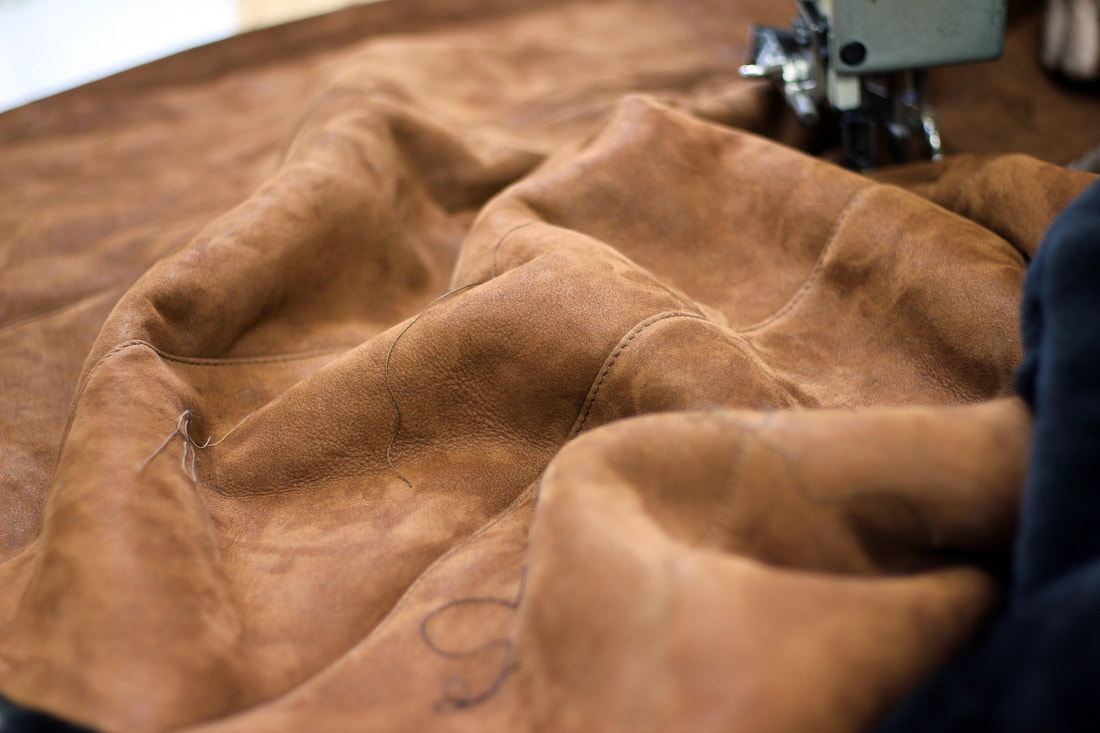
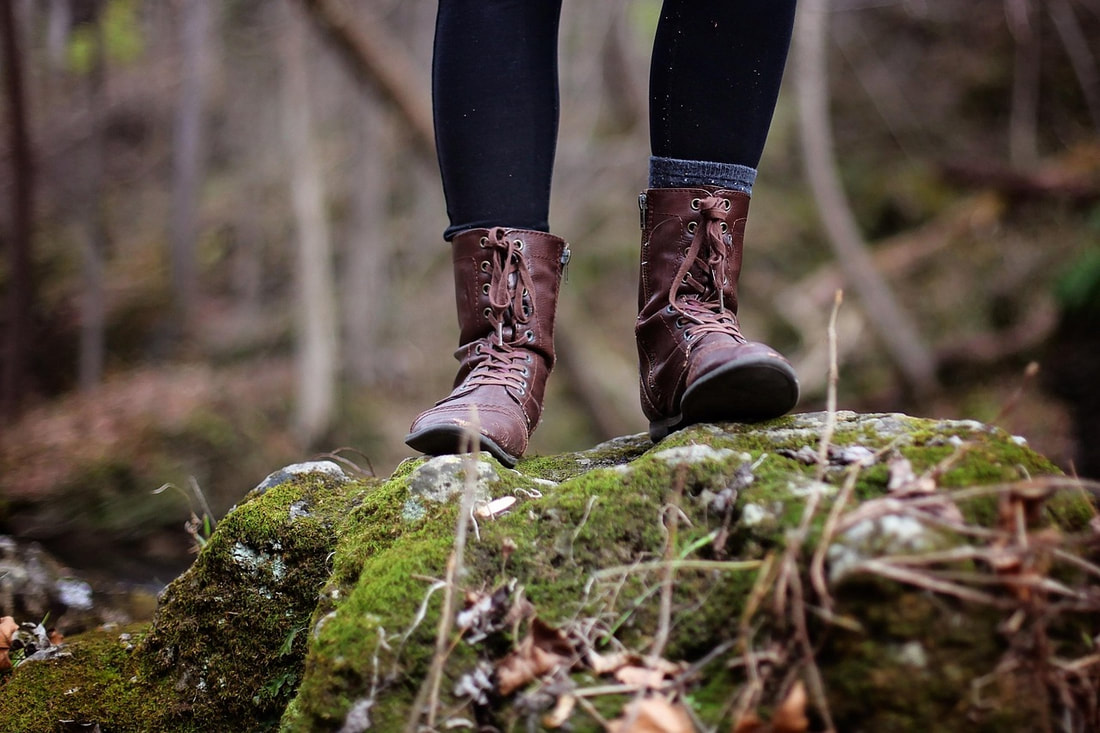
Australian wild goat leather delivers a rare combination of tight grain, natural strength, and lightweight flexibility, making it exceptionally well‑suited for suede and nubuck applications across footwear and apparel.
Why It Matters Australian wild goats live in rugged, arid environments. This produces dense fibre structure, low fat content, and naturally compact grain, giving tanners a superior base for fine, even nap finishes
Key Advantages for Suede & Nubuck
- Fine, consistent nap — The tight grain allows a smooth, velvety suede and a refined nubuck with minimal fibre lift.
- High tensile strength — Stronger than sheep and many calf leathers at comparable thickness, enabling thinner splits without sacrificing durability.
- Lightweight performance — Ideal for fashion footwear, sneakers, gloves, jackets, and premium linings where weight reduction matters.
- Low lanolin and fat content — Cleaner hides mean more efficient tanning, better dye penetration, and fewer defects.
- Natural character — Subtle grain variation gives designers an authentic, premium look that stands apart from mass‑market bovine suede.
- Ethically sourced — Wild harvest programs support environmental management, reduce feral populations, and align with sustainability‑focused brands.
- Excellent dye uptake — Produces rich, uniform colours for both deep tones and pastel palettes
- Australian Goat Suede and Nubuck for EU/Asia Fashion houses and exported under Australian Tags.
Australian Wild Goat /Wet Salted Skins are exported to overseas tanneries for leather Suede/Nubuck production.
AUSTRALIAN DORPER LEATHER
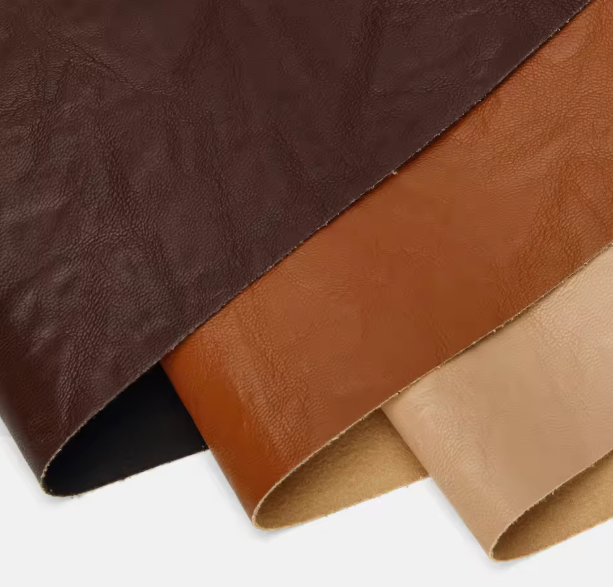
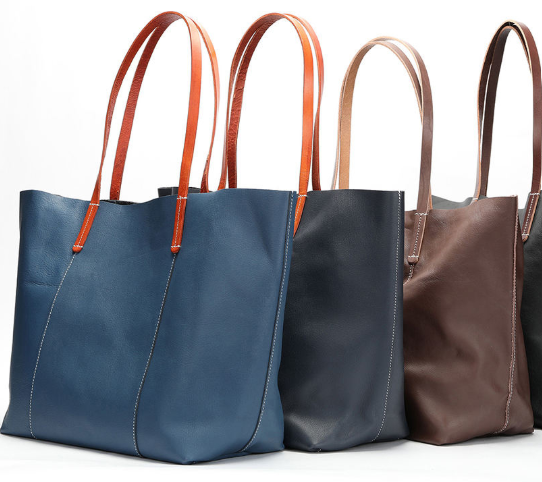
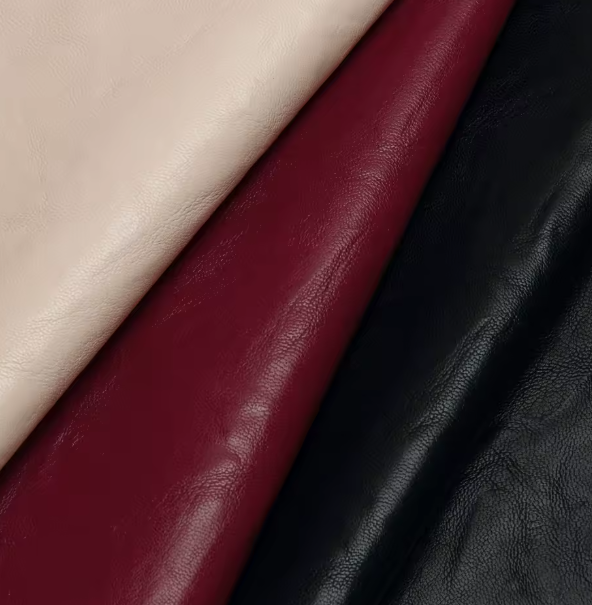
Australian Dorper leather delivers a rare blend of strength, consistency, and premium feel that modern manufacturers demand. Raised in Australia’s clean, well‑managed grazing systems, Dorper sheep produce hides with exceptional natural quality and traceability. Dorper hides stand out for their thickness and durability, giving tanners a robust base material that performs beautifully in high‑wear applications. Unlike wool breeds, Dorpers are hair sheep, which means fewer follicle marks and a smoother, cleaner grain. The result is leather with a refined surface, minimal defects, and excellent cutting yield — a major advantage for brands focused on efficiency and aesthetics. The leather’s natural softness and fine grain make it ideal for footwear, bags, small goods, and premium upholstery. It accepts finishes evenly, holds shape well, and offers long‑term resilience without sacrificing comfort.
Australian Dorper Wet Salted are exported to overseas Tanneries for leather production
Australian Dorper Wet Salted are exported to overseas Tanneries for leather production
|
|